
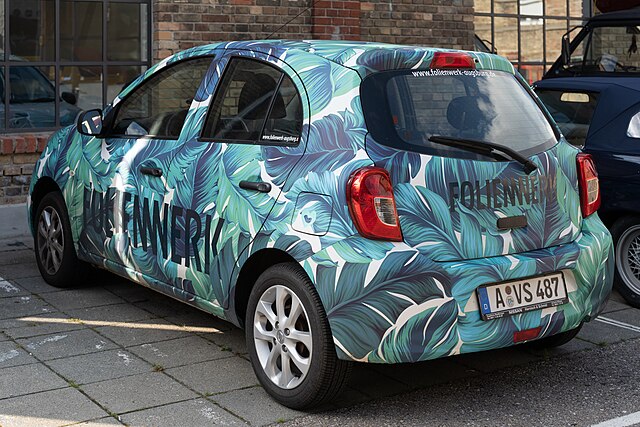
DIY vehicle wraps sound tempting when you watch a few videos and see a clean before and after. In real life, vehicle wraps are one of those projects where the gap between “good enough” and “high-quality” is huge.
If your goal is a sharp brand look and a finish that holds up long term, professional car wraps consistently deliver better results than a weekend attempt. That matters because the wrap is not just decoration. It is a moving asset that people notice in parking lots, at stoplights and on job sites.
Reach And Planning
A professional wrap job starts before any vinyl touches the surface. Pros inspect panels, identify damage, check clear coat condition and confirm what needs to be removed or avoided. They also plan seams, direction of the film and how the design will flow over contours.
That planning is the difference between a wrap that looks seamless and one that looks like a sticker project. It also supports stronger marketing outcomes. When you wrap a car, you generate repeated impressions throughout the day compared to traditional billboards, but without paying for a fixed location.
Tools And Technique
DIY guides often highlight heat guns like they are the magic answer. Heat guns do help soften vinyl wraps so they can stretch into curves, recesses and edges.
The problem is that heat is only one variable and it is the easiest one to misuse. Too much heat can distort the film, weaken the adhesive or cause premature failure. Too little heat can lead to lifting on edges and bubbles that return after the first hot day.
Pros use controlled heat, proper tension and precision trimming that keeps edges clean without cutting into paint. When the wrap is meant to function like signage, small defects become big problems. A clean professional finish helps protect signs from fading by keeping graphics smooth, aligned and properly sealed at stress points where sunlight and weather hit hardest.
DIY Costs Add Up
DIY seems cheaper until you count the real costs. Material waste is the biggest one. Beginners often re-lay sections multiple times, contaminate adhesive with dust and stretch panels past recoverable limits. One bad pull can ruin an entire section of film. Then you buy more material and try again.
Time is the other cost. A first-time DIY wrap job can take days, especially if you are learning how to squeegee correctly, manage heat and cut around hardware. Pros can wrap efficiently because they have repeatable processes and they work in controlled environments. That speed matters if the vehicle is part of your daily operations.
There is also risk. If you cut into the clear coat while trimming, you can create permanent damage. If you wrap over failing paint, the film can pull it up during removal. If your vehicle has prior repairs, mismatched clear coat or compromised panels, a pro will tell you up front and recommend the safest approach.
Wrap Vs Paint
Many people compare a wrap job to a paint job. Paint can look amazing when it’s done right, but it is expensive and it is not as flexible for branding changes. A wrap can deliver a bold color change or a full graphic design without committing to permanent alterations. Removal is also a big factor for leased vehicles or fleet updates.
Durability depends on materials, installation and care. DIY installations often fail early at edges, around door handles and near deep channels because those areas require skill and patience. Professionals know how to post-heat correctly, how to set edges and how to avoid tension traps that cause lifting. That directly impacts the longevity of the car wrap because most failures begin at the stress points that DIY installers struggle to finish cleanly.
Business Results Matter
If you are wrapping for business so you can advertise outdoors, the wrap is part of your brand presentation. The goal is not just coverage. The goal is consistency, clarity and a look that builds trust. A professional shop can help you choose finishes, refine layouts and ensure the design reads well at speed. They also help you avoid common readability issues like thin lines that disappear on curves or text that lands on seams.
Professional installers are also better equipped for branding complexity. If you need custom vehicle wraps that match other marketing assets, you want accurate color management and careful placement so logos sit straight and graphics align across panels. That is hard to do in a driveway with changing temperatures and limited tools. It is much easier in a shop that is built for vehicle wraps and built for repeatable results.
The Smarter Choice
DIY can be a fun experiment, but it is rarely the best move when you want a clean finish that protects your image and your investment. Professional car wraps look better, last longer and reduce risk to your vehicle. If you want vehicle wraps that turn heads for the right reasons, Matly Digital Solutions can guide the design and handle installation standards so your wrap performs like a real marketing asset from day one.