
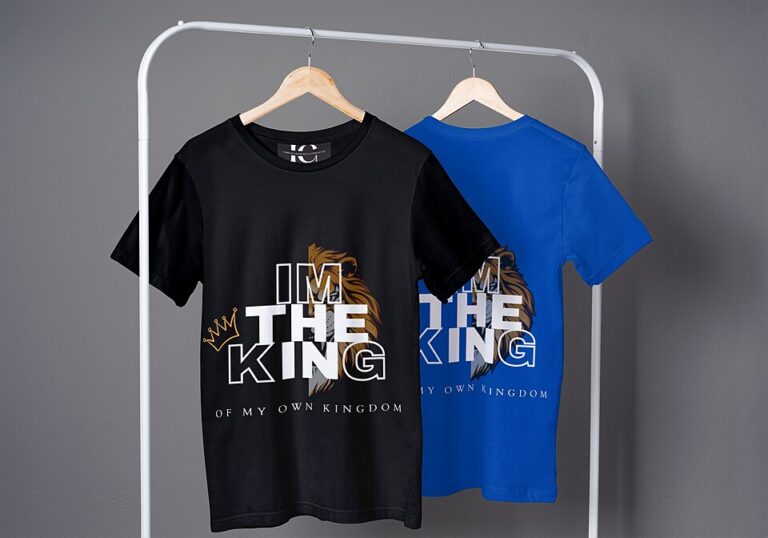
When you invest in custom apparel, you want to look sharp and represent your company well. Whether you are ordering custom staff uniforms, promotional giveaways or printed t-shirts for an event, following the right t-shirt screen printing practices makes all the difference.
The best results come from thoughtful planning, the right printing method and a production partner that understands quality, timing and consistency. Below are seven best practices to help you get better outcomes from your next shirt printing order.
1. Start With a Strong Shirt Design
Every great printed shirt begins with a clean, intentional shirt design. Before production starts, your artwork should be reviewed for placement, sizing, readability and color contrast. A design that looks good on a computer screen may not always translate well onto fabric.
Think about where the design will appear, how large it should be and whether the details will remain visible once printed. Thin lines, tiny text and overly complex graphics can create issues during the screen printing process. Keeping artwork bold and readable usually leads to better performance on press.
If you are unsure how to prepare artwork, working with a provider that offers a design studio can save time and reduce mistakes before production starts.
2. Choose the Right Printing Method for the Project
Not every order should be produced the same way. One of the most important decisions is selecting the right printing method based on your order size, artwork style, garment type and budget.
Traditional silk screening is a popular choice for larger runs because it offers durability, consistency and excellent color vibrancy. It is especially effective when the artwork uses a limited number of colors and needs to be repeated across many shirts.
On the other hand, digital printing can be a better option for small runs, highly detailed graphics or full color artwork. It works well when you need photo-like images or gradients that would be harder to reproduce using a standard mesh screen setup.
Understanding different printing processes helps you avoid overpaying or choosing a solution that does not match your goals.
3. Match the Printing Process to the Number of Color
The number of colors in your design has a direct impact on setup, cost and production complexity. In the screen printing process, each color often requires its own mesh screen, which means additional setup time and careful alignment.
For simple logos and bold branding, fewer colors often produce the best value. If your design uses two or three solid tones, the job is usually faster to set up and easier to reproduce consistently. If your design requires full color output, a different approach may be more appropriate depending on the garment and artwork.
This is why it is smart to discuss color expectations early. A knowledgeable print team can explain whether your design is best suited for silk screening, digital printing or another printing method that better supports multi-color graphics.
4. Choose High Quality Garments First
Even the best print can only do so much if the shirt itself feels cheap or wears out quickly. High quality apparel creates a better foundation for longer-lasting results. Fabric composition, weight, softness and fit all affect how the finished product looks and feels.
For example, some blends absorb ink differently than 100% cotton. Lightweight fashion tees may require a different production approach than heavier workwear styles. If your goal is to create custom apparel employees will actually want to wear, garment selection matters just as much as the artwork.
Businesses should also think beyond the event itself. A well-made shirt is more likely to be worn again, which increases brand visibility. That same strategy often applies across other branded products too, from printed shirt campaigns to vehicle wraps for company fleets.
5. Understand Minimum Order Quantity and Turnaround Time
Before placing an order, ask about minimum order quantity requirements and expected turnaround time. These details can affect both your budget and your schedule.
Screen printing is often ideal for larger quantities, but some shops have specific order thresholds depending on the garment, ink type or design complexity. Knowing the minimum order quantity up front helps you plan more accurately and prevents surprises later.
Timing is just as important. If you have a trade show, fundraiser or company event coming up, confirm production and delivery dates early. Some projects may qualify for rush options, but those should be discussed at the beginning of the order, not the end. Reliable communication around turnaround time keeps projects on track and reduces last-minute stress.
6. Compare Screen Printing to Other Decoration Options
Screen printing is an excellent choice for many apparel projects, but it is still worth evaluating other decoration methods depending on the end use. For branded polos, hats or outerwear, some clients prefer a stitched look compared to embroidery for a more textured and elevated finish.
That said, screen printing usually offers more flexibility for casual tees, event shirts and larger graphic designs. It is often more cost-effective for high-volume runs and better suited for bold artwork on soft garments.
A trusted print provider can walk you through when screen printing makes sense, when embroidery is the better fit and when digital printing offers the best result. That kind of guidance is especially valuable when your business also works with a digital label printing company or manages broader branding across packaging, signage and apparel.
7. Work With a Full-Service Partner
The best shirt printing experience does not come from production alone. It comes from working with a partner who can guide you from concept to delivery. From recommending the best garments to explaining printing processes and helping refine artwork, expert support improves the final result.
This matters even more when branded apparel is part of a larger campaign. You may be coordinating printed t-shirts with promotional materials, signage or even vehicle wraps for a cohesive marketing presence. In those cases, consistency across every item becomes essential.
A full-service provider can help simplify ordering custom products, maintain brand standards and deliver results across a wide range of marketing materials. Instead of juggling multiple vendors, you get one experienced team that understands how every piece fits together.
Getting the Best Results
The best t-shirt screen printing results come from smart planning, quality materials and the right production strategy. From choosing the right printing method to managing turnaround time, each decision affects how your finished shirts will look, feel and perform.
If you want printed t-shirts that represent your brand well, start with a strong shirt design, choose high quality garments and work with experts who understand the full screen printing process from start to finish.
Ready to create custom apparel that stands out? Check out Matly Digital Solutions to explore professional shirt printing, branding support and marketing solutions built to help your business make a lasting impression.